

Between Sisters
Kristin Hannah’s Between Sisters is an emotionally layered, heartfelt novel that delves deep into the fragile, complex, and often unspoken connections between two estranged sisters whose lives have unfolded in starkly different worlds. It is a tender portrait of family wounds, reconciliation, and the courage to embrace love again after years of guarding one’s heart.
The story revolves around Meghann Dontess and Claire Cavenaugh, sisters bound by blood but separated by past choices, misunderstandings, and years of silence. Their early childhood was marked by instability and neglect, shaped by an unreliable, self-absorbed mother who left them with a fractured sense of home. Meghann, being the older sister, shouldered the burden of responsibility too soon. However, a pivotal decision she made in her youth—one she thought was for the greater good—ended up driving an emotional wedge between her and Claire, a wound that neither time nor distance had truly healed.
Now in adulthood, the sisters have become near-strangers. Meghann has transformed herself into a sharp, polished, and relentlessly driven attorney. Her professional life is a fortress of control, precision, and success. Yet, beneath her steely exterior lies a woman who has learned to keep people at arm’s length, believing intimacy to be a recipe for heartbreak. Love, to Meghann, is not a blessing but a vulnerability she cannot afford. Her relationships are fleeting, transactional, and kept safely superficial.
Claire, in contrast, has built her life around quiet simplicity and rootlessness. Living in a small town, she runs a modest business and surrounds herself with a tight-knit circle of friends. She has avoided the chaos of her early years by keeping her world small and predictable. But when she meets Bobby, a man whose warmth and steadiness melt her defences, Claire falls in love for the first time. His proposal and the prospect of marriage bring her both joy and apprehension—especially when she realises her estranged sister will inevitably be part of the wedding.
The looming reunion between Meghann and Claire stirs up years of unresolved tension. For Claire, there is hope that they might bridge the gap, but also fear that old wounds will resurface. For Meghann, the wedding forces her to confront the emotional mess she has spent decades avoiding. Beneath her reluctance, however, is a yearning she barely admits—to have a family, to reclaim something she lost long ago.
As the wedding preparations unfold, the sisters are drawn into a fragile truce. They circle each other cautiously, neither wanting to provoke the other but both deeply aware of the distance between them. Through shared moments—some awkward, some unexpectedly tender—they begin to see glimpses of the girls they once were, before resentment and disappointment hardened them.
Meanwhile, Meghann’s carefully guarded heart begins to crack when she meets Joe, a man unlike anyone she has known. His authenticity, patience, and quiet charm challenge her cynicism about love. Against her instincts, she allows herself to be vulnerable, opening doors she has long kept locked. Joe’s presence forces Meghann to question whether her independence is truly freedom or just another form of isolation.
Claire, on her own journey, faces a test of love and resilience when unexpected challenges threaten her future with Bobby. Life throws her a curve that demands courage, forcing her to lean not only on Bobby but also on the sister she has spent years avoiding. In these moments, the sisters are pushed into each other’s worlds, no longer able to maintain their emotional distance.
Hannah weaves their stories together with warmth, humour, and poignancy, capturing the subtle shifts in their relationship. Through candid conversations, awkward confessions, and moments of raw honesty, Meghann and Claire discover that family ties are not severed by time or mistakes—they are strained, stretched, and sometimes buried, but they remain.
The novel also explores the nature of forgiveness—both giving it and accepting it. For Meghann, forgiveness means dismantling the walls she built to survive. For Claire, it means letting go of long-held grievances and recognising that her sister’s choices, however flawed, were often driven by love. Together, they learn that family is less about perfection and more about persistence—about showing up even after years of absence.
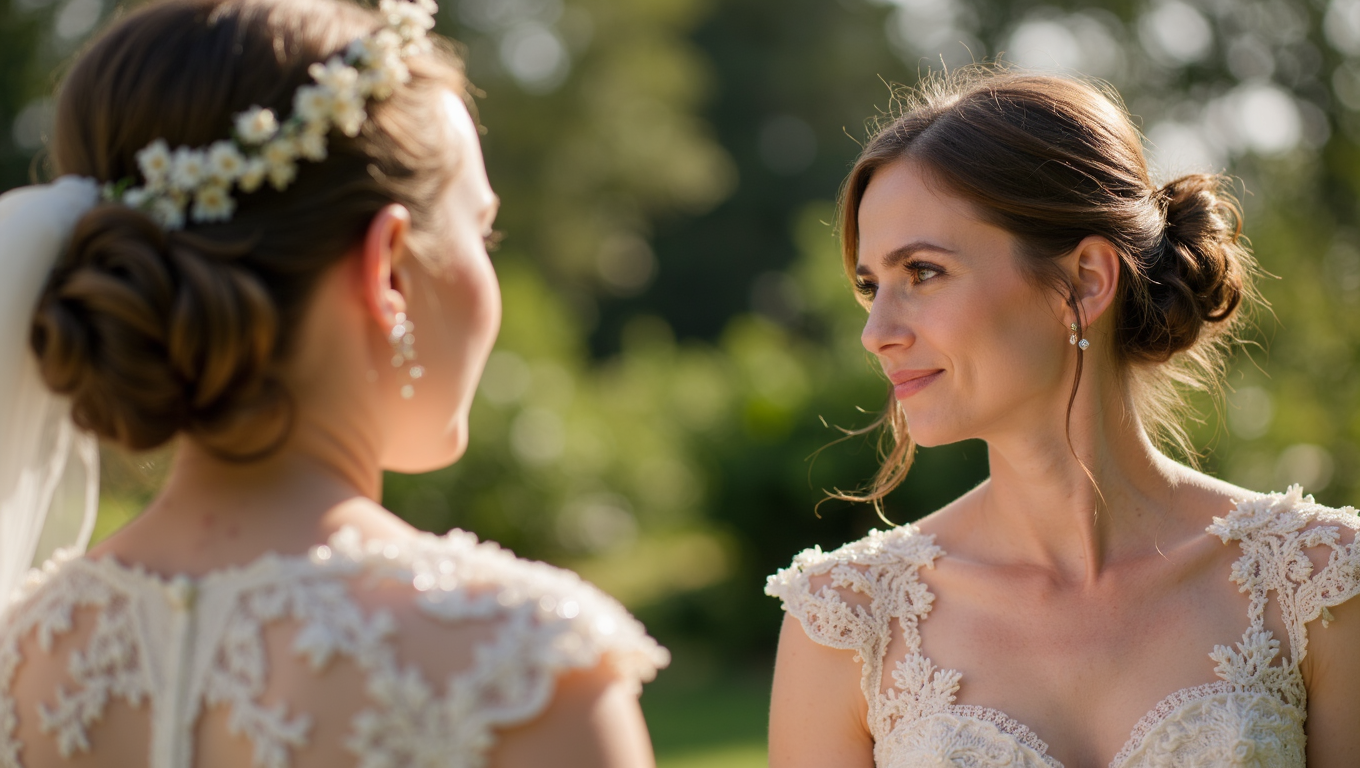
By the time the wedding arrives, the bond between Meghann and Claire is still imperfect, but it is alive again. The ceremony becomes more than a union between Claire and Bobby—it is a symbolic step toward rebuilding their sisterhood. The moments they share are bittersweet, laced with the awareness that life’s time is finite and precious.
In the end, Between Sisters is not a fairy tale of instant reconciliation, but rather a believable portrayal of two women inching their way back to each other. It shows that relationships—especially those rooted in family—are messy, complicated, and shaped by both love and pain. Kristin Hannah refuses to shy away from the emotional scars of her characters, instead allowing them to evolve in a way that feels earned and deeply human.
Hannah’s gift lies in her ability to capture the intimate details that make her characters feel alive—the hesitation in a touch, the unsaid words hanging between sisters, the humor that lightens heavy moments. She creates a rhythm of tension and release, weaving in warmth and wit that keep the story from becoming overly heavy. The result is a novel that balances heartache with hope, loss with renewal, and estrangement with the possibility of redemption.
Ultimately, Between Sisters reminds us that love, in all its forms, is a risk worth taking. Whether it is the love between siblings, the romantic love that transforms a guarded heart, or the love that allows forgiveness to bloom, it is what gives life depth and meaning. For Meghann and Claire, the path back to each other is neither straight nor easy, but it is one they choose—because despite everything, they are family.
Kristin Hannah delivers a story that resonates far beyond its final page. It is an exploration of how the past shapes us, how misunderstandings can define decades, and how even the most damaged relationships can heal when met with honesty and compassion. Between Sisters leaves the reader with a quiet but powerful truth: it is never too late to reach across the distance and hold out your hand.
Review
Kristin Hannah’s Between Sisters is an emotionally resonant tale about the complicated, often messy dynamics of sibling relationships. With her signature warmth and keen emotional insight, Hannah delivers a narrative that blends heartbreak, humor, and hope into a deeply human story.
The novel’s strength lies in its two central characters—Meghann Dontess, the guarded, fiercely independent attorney who hides her vulnerability behind success, and Claire Cavenaugh, the grounded, small-town woman who longs for love and stability. Their estrangement, born from childhood wounds and a fateful decision, creates a rich emotional tension that fuels the plot. Hannah crafts their reconciliation in a way that feels authentic—full of tentative steps, awkward conversations, and moments of surprising tenderness.
Romance plays a secondary but meaningful role. Meghann’s unexpected connection with Joe challenges her belief that love is dangerous, while Claire’s relationship with Bobby offers a portrait of partnership built on trust and devotion. These relationships serve as catalysts for growth rather than mere subplots.
Hannah’s prose is accessible yet evocative, with dialogue that rings true and emotional beats that land naturally. She avoids sugarcoating the difficulties of forgiveness, instead showing that healing requires patience, honesty, and a willingness to risk being hurt again.
While some readers might find the pacing gentle and the conflicts familiar, the depth of character development makes the story stand out. It’s not about grand plot twists, but about the slow, believable work of rebuilding broken bonds.
Between Sisters is a heartfelt, satisfying novel that lingers, reminding us that no matter the distance or the damage, family ties can still be mended.
